
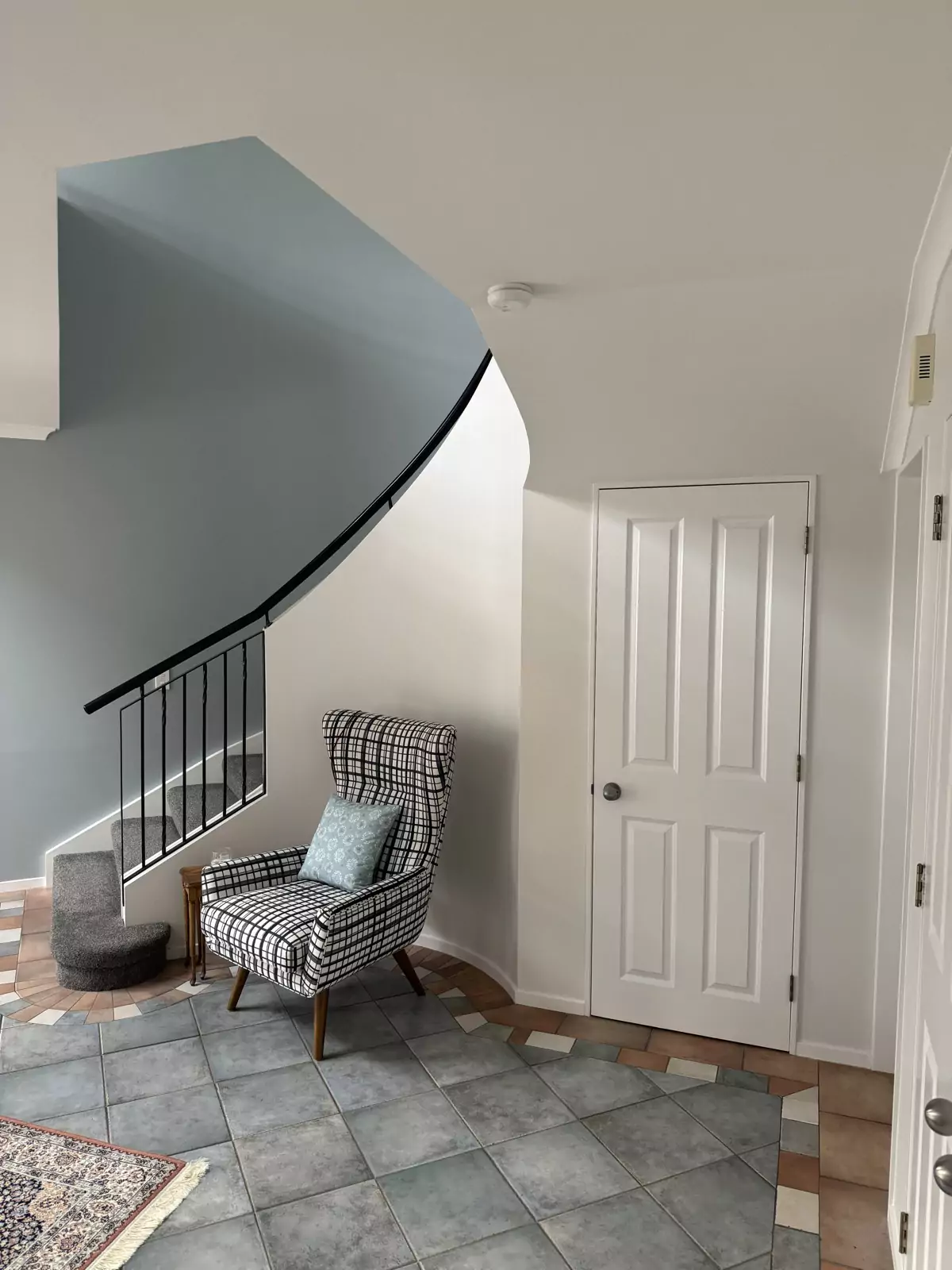
Bring your finish schedule into the wider plan with our interior painting guide.
What a sheen level tells you
Flat and matt finishes reflect less light; higher-sheen finishes have more visible reflection. Side lighting can make wall imperfections more noticeable, particularly with a shinier finish. Colour, lighting and surface preparation all influence the final appearance.
Finish names are not a universal scale across every paint range. Low sheen, satin and eggshell can describe nearby options, so compare the actual product information and samples rather than assuming identical labels mean identical performance.
Compare finishes by the decision you need to make
| Finish | Appearance | What to consider |
|---|---|---|
| Flat or matt | Low reflection. | Check washability and suitability for the intended surface; useful where reflected light is a concern. |
| Low sheen | A soft, restrained reflection. | Often considered for walls. Check the product’s cleaning and moisture requirements. |
| Satin | A more noticeable sheen in many ranges. | View a sample beside the low-sheen option, especially in side light. |
| Semi-gloss or gloss | Stronger reflection and definition. | Often considered for doors and trim; surface preparation becomes especially visible. |
This is a way to narrow the choice. The final specification still belongs to the actual product and the surface it will cover.
Low sheen versus satin
If you are deciding between these two labels, start with the room’s light and how you want the wall to look. A softer reflection may suit a large wall with side lighting; a more noticeable sheen can give a different sense of definition.
Then compare the selected products for cleaning, durability and intended use. A name alone does not establish which is easier to maintain. Sample the colour and sheen together and view them in daytime and under the lights you normally use.
Make a finish schedule, surface by surface
- Walls: consider touch, cleaning, side light and visible defects.
- Ceilings: consider reflected light, surface condition and the room’s moisture exposure.
- Doors and trim: consider handling, cleaning and the definition you want around edges.
- Bathrooms: choose a system intended for that environment, not merely a shinier paint.
Our bathroom paint guide looks more closely at condensation and wet-room surfaces. For dents, cracks or loose coatings, start with wall preparation before finalising the sheen.
Record the choice so everyone works to the same brief
For each surface, write down the colour, paint range and finish. “White walls” is less useful than a complete specification, especially when ceilings and trim use a different sheen. Keep a note of the chosen system for later care or maintenance.
Include that schedule with your room-by-room painting scope. If you are unsure, bring the options to the site visit. We can discuss the light, condition and use of the room as part of our interior painting service.
Your questions
Is satin always tougher than low sheen?
Compare the actual paint ranges and their intended use. The finish name alone is not enough to establish washability, durability or bathroom suitability.
Should walls and trim have the same finish?
They can be specified differently because their use and appearance differ. We can help you choose a coordinated wall, ceiling and trim schedule.
Choose the finish for the way your rooms are used.
Tell us about your surfaces, light and cleaning needs. We’ll help turn your colour choices into an interior painting specification.
Plan your interior finishes